Editor’s note: Originally published March 2021. Reviewed and updated November 2026. Some models mentioned here may have been updated or discontinued since; check current availability and specifications before buying.
Quick answer
- A modern AcuRite indoor/outdoor thermometer pairs a display with one or more wireless sensors, and many models show humidity, and sometimes barometric pressure, as well as temperature.
- Decide first between analog (no batteries, temperature only) and digital (bigger display, more readings, remote sensors).
- For digital models, compare wireless range (from a few feet to around 350 feet), the number of sensors supported, display readability, units (°F, °C or both) and battery life.
- Keep the manual: it explains setup, setting the time, calibration and what to check if a sensor stops reporting.
An AcuRite indoor/outdoor thermometer lets you check the temperature inside and outside your home at a glance, and many digital models also report humidity. The right one depends on how far the sensor will be from the display, how many places you want to monitor, and how easy the screen is to read.
Old tube thermometers showed only the temperature and could be hard to read from a distance. Today’s digital models have large, bold displays and can tell you more about the conditions outside, which helps you dress for the weather before you step out the door. Common readings include:
- Air temperature (indoor and outdoor)
- Humidity
- Barometric pressure (not every model measures this)
AcuRite thermometer types to consider
The original version of this article pointed to the following kinds of AcuRite products. The descriptions below are based on the product information listed at the time; check the current listing for exact model numbers and specifications.
AcuRite wireless indoor/outdoor thermometer
A basic wireless setup shows indoor and outdoor temperature on one display at the same time, using a remote outdoor sensor. It is a convenient choice if you simply want to know how warm or cold it is outside without opening the door.
Listed features
- Simultaneous indoor and outdoor temperature
- Wireless outdoor sensor
Pros
- Indoor and outdoor readings on one screen
- No wiring to the outdoor sensor
Cons
- Sensor and display need batteries
- Fewer readings than multi-sensor or weather-station models
AcuRite remote thermometer with clock
This type of model adds a longer wireless range and a clock to the display, which makes it a useful all-in-one screen for a kitchen or hallway.
Listed specifications
- Signal range of up to 200 feet, according to the manufacturer at the time of writing
- Displays temperature in Celsius and Fahrenheit
- Displays the time
Pros
- Long listed wireless range
- Shows both °C and °F
- Built-in clock
Cons
- Real-world range depends on walls and other obstacles
- Requires batteries
AcuRite 4-location temperature monitor
If you want to monitor several spots, such as a basement, a garage and an upstairs bedroom, a multi-location monitor reads up to four locations on one display using three remote sensors plus the display unit itself.
Listed specifications
- Monitors four locations with three sensors
- Battery powered, so it can be placed almost anywhere
- Display unit dimensions: 5.7 x 0.8 x 8 inches
Pros
- Watch several rooms or areas from one screen
- Battery power allows flexible placement
Cons
- More batteries to replace across the sensors
- More setup than a single-sensor thermometer
What to consider when buying an indoor/outdoor thermometer
Reviews from other owners can help, but the points below will help you match a thermometer to your own needs. Whatever you buy, read the manual so you understand the options and know what to check if the thermometer stops working.
Type of thermometer
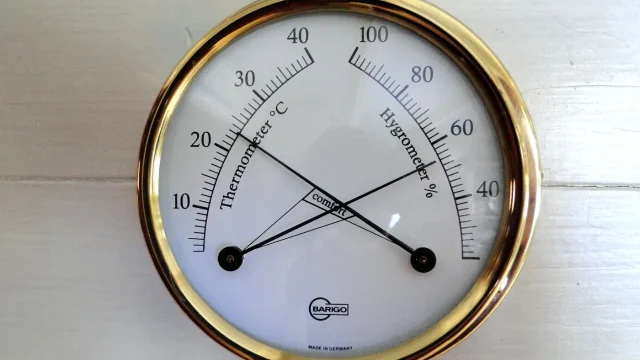
- Analog thermometers come in two main shapes. Tube thermometers show the temperature by the level of liquid in a glass tube. Dial (clock-style) thermometers have a needle that points to the temperature. Many people like their traditional look.
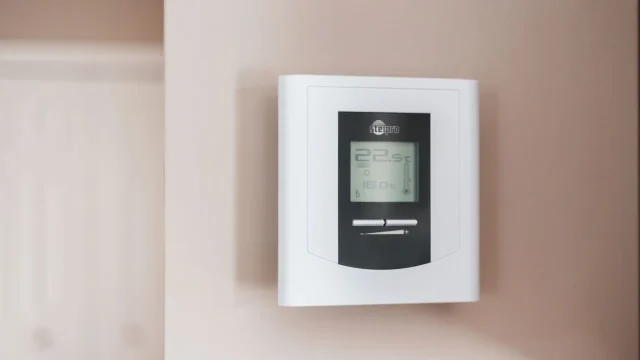
- Digital thermometers replaced analog models for most uses. They can show several readings at once, and some have color displays attractive enough to use as decor.
- Direct-reading outdoor thermometers are digital units built to show outdoor temperature. They are designed to stay safe in the rain, and their sensors pick up changes in conditions quickly.
- Remote-reading thermometers use multiple sensors placed in different locations and show all the readings on one display, sometimes including other measurements such as humidity.
Display
Analog thermometers use either a dial or a bar (tube) display. A dial shows numbers around the face with a needle pointing to the current temperature. A bar display uses the level of liquid against marked lines, which can be hard to read, especially from a distance.
Digital displays range from simple black-and-white LCDs to color screens, with different layouts. Some systems can also show readings on other devices.
Wireless range
Range only matters for digital thermometers with remote sensors; an analog thermometer doesn’t transmit anything. Sensor ranges vary from a few feet to around 350 feet, so measure the distance from where the sensor will go (a garden, greenhouse or garage) to where the display will sit.
Also think about how many sensors you need. In a multi-story home you might place sensors in the basement and on each floor. Multiple sensors are especially useful when you are managing a building or a storage space where goods must be kept at a specific temperature. For more on connected sensors, see Wi-Fi vs Bluetooth temperature sensors.
Units of measurement
Most thermometers show both Celsius and Fahrenheit, but some show only one. Broadly, you can choose a model that reads in Celsius, in Fahrenheit, or in both. Pick the one that suits you; our Fahrenheit vs Celsius guide explains the difference.
Battery life
Digital thermometers with sensors need batteries for both the display and each sensor. Batteries are often replaced around once a year, but that depends on how you use the thermometer and on the weather the sensors are exposed to. Analog thermometers need no batteries at all.
Final thoughts
Choose an AcuRite indoor/outdoor thermometer by the readings you need, the distance to the sensor and the number of places you want to watch. Then keep the manual handy: it covers common tasks such as setting the time on the display and calibrating the thermometer, and explains how the sensors work. For specific models, see our AcuRite 00613 review and AcuRite 00589 weather station review.
FAQ
Do indoor/outdoor thermometers measure humidity?
Many digital models measure humidity as well as temperature, and some also measure barometric pressure. Not every model does, so check the listed features.
How far can the outdoor sensor be from the display?
It varies by model, from a few feet to around 350 feet. Walls and other obstacles can shorten the real-world range.
Do analog thermometers need batteries?
No. Only digital thermometers and their sensors need batteries.