Editor’s note: This guide replaces our earlier ribeye vs sirloin article, which is no longer available. It was rewritten in November 2026 using cut information and nutrition data from Beef. It’s What’s For Dinner (the beef checkoff’s consumer site) and USDA-based safe temperatures from FoodSafety.gov (linked at the end).
Quick answer
- Ribeye comes from the rib primal and is prized for generous marbling and rich, juicy flavor.
- Top sirloin comes from the sirloin primal, behind the loin. It’s a leaner grilling steak with a beefy flavor.
- Per 3 oz cooked (lean only): ribeye lists 190 calories, 4 g saturated fat and 23 g protein; top sirloin lists 150 calories, 1.9 g saturated fat and 26 g protein.
- Choose ribeye for a special-occasion steak. Choose sirloin for a leaner everyday steak, kebabs or feeding a crowd.
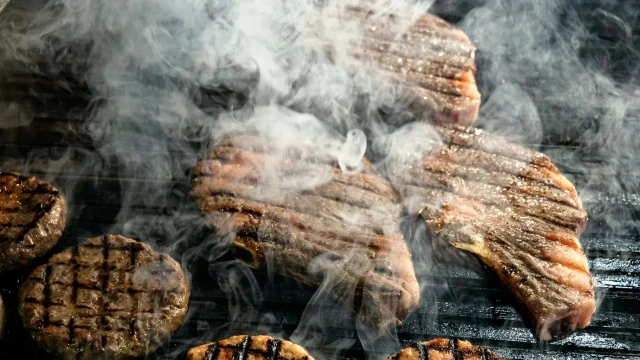
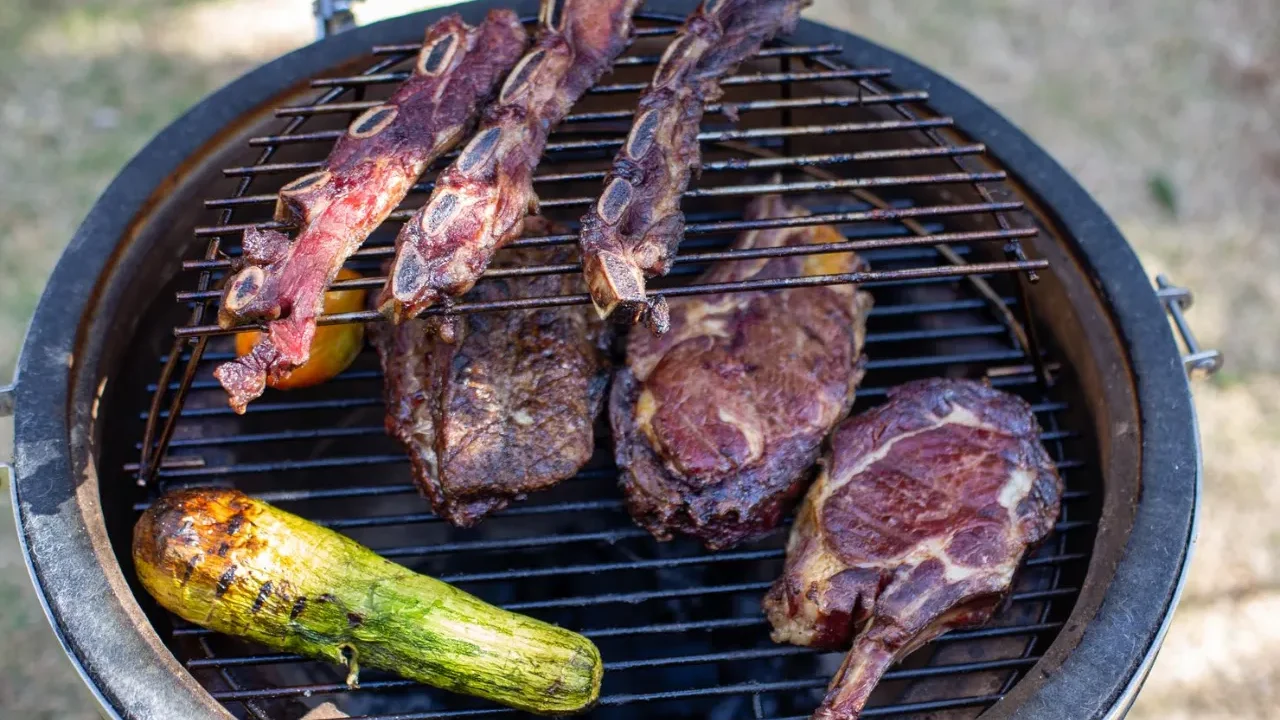
Ribeye and sirloin sit at different ends of the steak spectrum. Ribeye is rich and heavily marbled; sirloin is leaner and more versatile. Both are great on the grill if you cook them right. Here’s how they compare.
Ribeye vs sirloin at a glance
| Ribeye | Top sirloin | |
|---|---|---|
| Where it comes from | Rib primal | Sirloin primal (top sirloin butt) |
| Texture and flavor | Heavily marbled, rich and juicy | Leaner, beefy, slightly firmer |
| Calories (3 oz cooked, lean) | 190 | 150 |
| Saturated fat | 4 g | 1.9 g |
| Protein | 23 g | 26 g |
| Iron | 2.2 mg | 1.6 mg |
| Zinc | 5 mg | 4.8 mg |
| Cooking methods listed | Grilling, skillet, skillet to oven, broiling | Grilling, skillet, stir-fry, skillet to oven, broiling, sous vide |
Nutrition figures are per 3 oz serving of cooked beef, lean only, from Beef. It’s What’s For Dinner. Actual values vary with trimming and grade.
Ribeye
The ribeye comes from the rib primal, under the front section of the backbone, the same area as prime rib. The beef checkoff describes it as rich, juicy and full-flavored with generous marbling. That fat makes ribeye forgiving to cook and very juicy, but it also causes more flare-ups on the grill.
Top sirloin
The sirloin primal sits behind the loin and is first split into the top sirloin butt and the bottom sirloin butt. Steaks for grilling come from the top sirloin, while the bottom sirloin gives cuts such as tri-tip and sirloin bavette. Top sirloin is noticeably leaner than ribeye, which makes it a good everyday steak. It’s also well suited to stir-fries and kebabs, as the cooking methods above show.
Because it’s lean, sirloin is less forgiving if overcooked. Use a thermometer, and slice it across the grain.
Cooking tips
- Sear hot, then finish over medium heat for thicker steaks.
- Ribeye: keep a cooler zone on the grill for flare-ups.
- Sirloin: don’t overcook, rest it, and slice across the grain for tenderness.
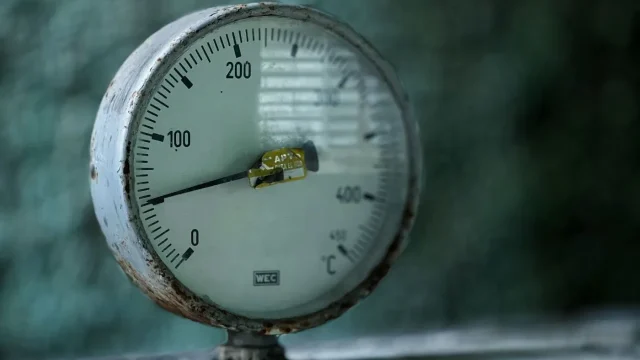
- Check the temperature in the thickest part with an instant-read thermometer. The USDA-based safe minimum for beef steaks is 145°F with a 3-minute rest. See our safe cooking temperature chart.
Looking for the right tools? See our best grills for steak and how to choose a meat thermometer.
Which should you choose?
- Ribeye if flavor and juiciness come first.
- Sirloin if you want a leaner steak with more protein per serving, or a versatile cut for kebabs and stir-fries.
- Also compare New York strip vs ribeye.
Bottom line
Ribeye is the richer, more marbled steak; top sirloin is leaner, with fewer calories and more protein per serving according to the beef checkoff’s figures. Both grill well. Just watch sirloin closely so it doesn’t overcook.
FAQ
Is sirloin healthier than ribeye?
Per 3 oz cooked, lean only, top sirloin lists 150 calories and 1.9 g saturated fat versus 190 calories and 4 g for ribeye, with more protein (26 g vs 23 g).
Where does sirloin come from?
From the sirloin primal, which is split into the top sirloin butt (grilling steaks) and the bottom sirloin butt (cuts such as tri-tip).
Which is more tender?
Ribeye usually eats more tender and juicy thanks to its marbling. Sirloin is leaner and firmer, so avoid overcooking it and slice across the grain.
What temperature should I cook steak to?
The USDA-based safe minimum for beef steaks is 145°F, followed by a 3-minute rest.
Sources: Beef. It’s What’s For Dinner: Ribeye Steak and Top Sirloin Steak. Food-safety temperatures: FoodSafety.gov. Checked November 2026.