The numbers
- Refrigerator: at or below 40°F (4°C)
- Freezer: 0°F (−18°C)
- Check with an appliance thermometer at least once a week (FDA).
The dial inside most refrigerators is marked “1–7” or “colder/warmer”, not in degrees, so you can’t tell the actual temperature from it. The U.S. Food and Drug Administration says appliance thermometers are the best way to know your fridge and freezer temperatures, and that they are generally inexpensive. Here is how to use one properly.
Recommended temperatures
| Appliance | Target | Why |
|---|---|---|
| Refrigerator | At or below 40°F (4°C) | Slows the growth of bacteria in perishable food |
| Freezer | 0°F (−18°C) | Keeps food frozen solid for quality and safety |
How to check your fridge temperature
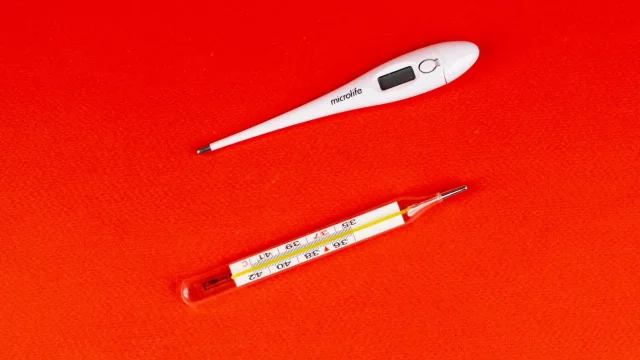
- Use an appliance thermometer. A simple dial or digital fridge thermometer works. The FDA suggests placing one in the refrigerator and one in the freezer, in the front in an easy-to-read location.
- Give it time. After placing it, or after the door has been open a while, wait several hours, ideally overnight, before trusting the reading.
- Read it quickly. Check before the door has been open long, since warm air rushes in.
- Check weekly. The FDA recommends checking at least once a week.
Why readings vary inside the same fridge
Refrigerators are not one even temperature. The door is usually the warmest area, and the back of the lower shelves is often coldest. Crowded shelves block airflow. A fridge stuffed after a big shop will take time to cool back down. Keep the thermometer in a consistent spot so you compare like with like.
What to do if the temperature is too high
- Turn the control slightly colder and recheck after several hours.
- Make sure the door seals close fully and nothing blocks the vents.
- Avoid overloading shelves, and let hot leftovers cool slightly before refrigerating, following food-safety guidance on cooling time.
- If it won’t hold 40°F or below, consult the manufacturer or a repair technician.
After a power cut: keep the doors closed as much as possible and follow official guidance on what food to keep or discard. Check FoodSafety.gov for current advice.
Want alerts instead of checking manually?
A smart Wi-Fi temperature sensor can sit in a fridge or chest freezer and notify your phone if the temperature rises. Check the sensor’s stated operating range first, since not every model is rated for freezer temperatures.